#138
Jason Romano
I Spent Years Hating My Alcoholic Father

family

faith
Listen Now
Watch & Listen



Description
Jason Romano: How I Spent Years Hating My Alcoholic Father and Finally Learned to Forgive
What does it take to forgive someone who has hurt you for most of your life?
For former ESPN producer and author Jason Romano, that question was deeply personal. His father's decades of alcoholism left him carrying anger, bitterness, and resentment well into adulthood. Their relationship became so fractured that Jason eventually made the painful decision to uninvite his own father from his wedding.
But years later, a devastating phone call would begin to change how Jason saw his father, his own anger, and the meaning of forgiveness.
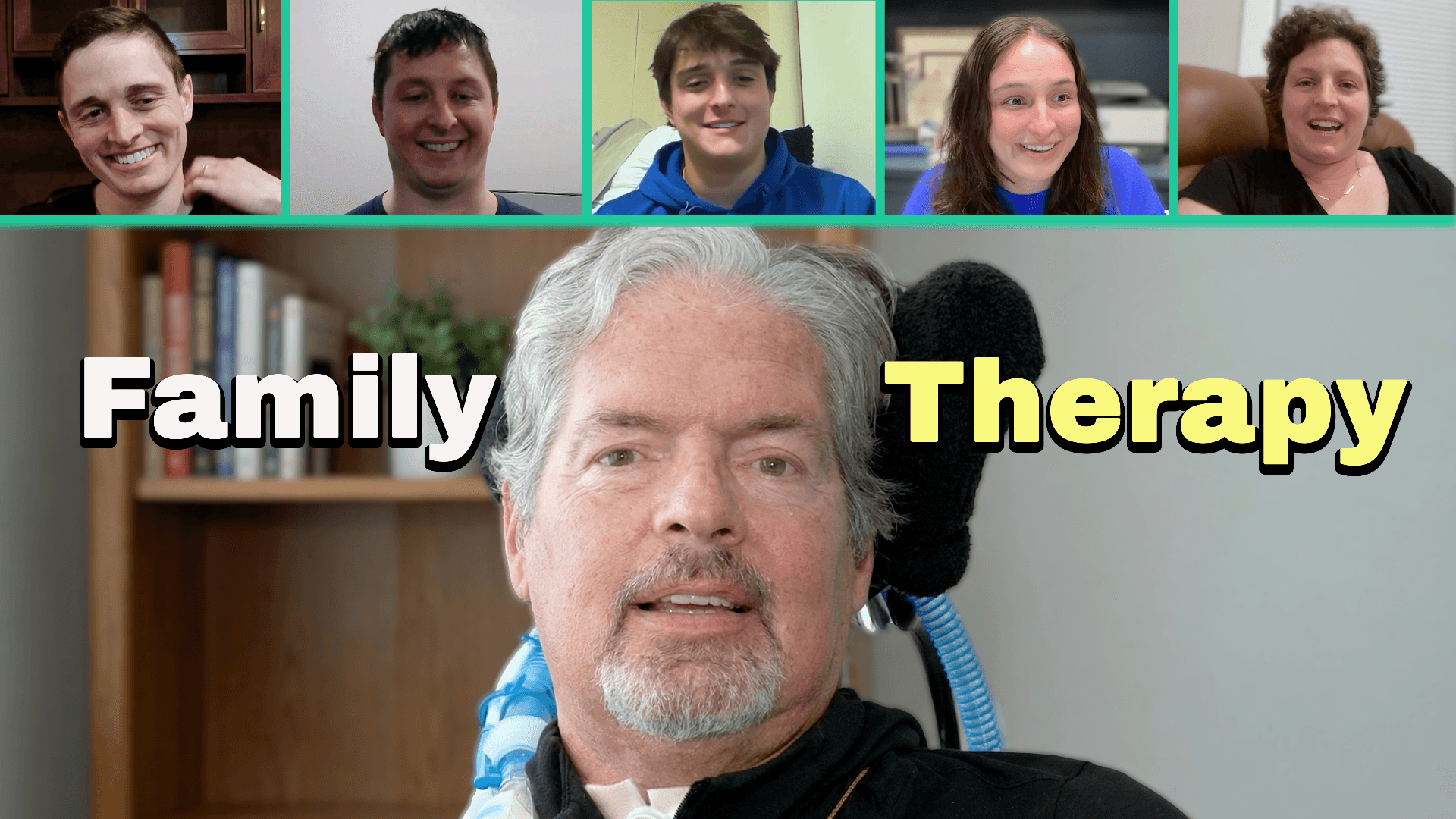
In this episode of Nothing Left Unsaid, Jason joins former NFL player Tim Green and his son Troy Green for an honest conversation about growing up with an alcoholic parent, the lasting effects of addiction on families, the role of Christian faith in forgiveness, and what it really means to let go of resentment.
Drawing from his personal journey and his book, Live to Forgive, Jason shares how he moved from years of bitterness toward empathy, healing, and reconciliation with his father.
Growing Up With an Alcoholic Father
For Jason Romano, his father's alcoholism was not an abstract struggle. It shaped his childhood, affected important family milestones, and influenced the kind of husband and father he wanted to become.
One of his clearest childhood memories involves a planned baseball trip to see the New York Mets play the St. Louis Cardinals.
Jason was around 14 or 15 years old. He and his father were supposed to attend the game together, sharing their mutual love of baseball. But the night before, his father returned home heavily intoxicated.
Jason remembers feeling betrayed.
He retreated to the bathroom, locked the door, and struggled to understand why his father had chosen to drink when they had something meaningful planned together.
It was one of the first moments when Jason fully recognized that his father's addiction was not just his father's problem. It was affecting him directly.
That experience became part of a much larger pattern of disappointment and broken trust.
As Jason grew older, the emotional distance between father and son continued to widen.
When Alcoholism Destroys Important Family Moments
Despite the difficulties at home, Jason pursued his passion for sports broadcasting and eventually achieved his dream of working at ESPN, where he spent 17 years.
Professionally, his life was moving in the right direction.
Personally, however, the unresolved pain surrounding his father remained.
When Jason married his wife, Dawn, in 1999, he wanted his father to attend the wedding. But after another period of heavy drinking, Jason felt he had no choice but to withdraw the invitation.
His father missed one of the most important days of his life.
Later, when Jason and Dawn welcomed their daughter Sarah in 2004 following years of struggling with infertility, his father was in a rehabilitation facility.
The contrast was painful.
Jason had built a successful career, started a family, and become the father he had always wanted to be. Yet he still carried anger toward the man whose absence had influenced so much of his own life.
He wanted his daughter to experience something different.
That meant establishing boundaries, limiting contact when his father was drinking, and protecting his wife and daughter from the experiences he remembered from childhood.
But protecting his family did not automatically remove the resentment he felt.
The Phone Call That Changed Everything
In 2013, Jason received a telephone call from a hospital in Albany, New York.
A nurse informed him that his father had attempted suicide and was receiving treatment.
What happened next surprised even Jason.
He did not immediately get into his car and rush to the hospital.
Instead, he thanked the nurse for calling and ended the conversation.
Looking back, Jason recognizes how much unresolved anger had shaped his response.
For years, he had seen his father primarily through the pain that alcoholism had caused. But after learning about the suicide attempt, something began to shift.
He started seeing his father not simply as someone who repeatedly disappointed his family, but as a person struggling with addiction, depression, anxiety, and profound emotional suffering.
For the first time, empathy began to replace some of his anger.
That change became a turning point in his journey toward forgiveness.
Forgiveness Is Not the Same as Reconciliation
One of the most important lessons Jason shares in Nothing Left Unsaid is the distinction between forgiveness and reconciliation.
These ideas are often treated as interchangeable, but Jason's experience convinced him they are not.
Forgiveness, as Jason describes it, involves releasing the anger and bitterness that someone else's actions have left inside you.
Reconciliation involves rebuilding a relationship.
The first does not necessarily require the second.
With guidance from his pastor, Jason came to understand that he could forgive his father without immediately welcoming him back into every part of his life.
He could release resentment while maintaining boundaries.
He could wish his father well without accepting harmful behavior.
And he could recognize his father's suffering without pretending that the past had never happened.
This distinction is particularly important for anyone navigating a difficult relationship with an alcoholic parent, estranged family member, or someone who has repeatedly broken their trust.
Forgiveness does not require exposing yourself to continued harm.
Why Jason Romano Says Forgiveness Set Him Free
After his father's suicide attempt, Jason spent time praying and speaking with his pastor.
About a week later, his father called him from the hospital.
During that conversation, Jason told his father that he forgave him.
He describes the experience as though an enormous weight had been lifted from his shoulders.
For years, resentment had occupied a significant part of his emotional life. Forgiving his father helped him recognize how much of that burden he had been carrying.
Jason came to see forgiveness not as a reward his father had earned, but as a decision that allowed him to stop living under the influence of past anger.
His Christian faith was central to that transformation.
Through prayer, scripture, and pastoral guidance, he developed a deeper understanding of forgiveness as an ongoing choice rather than a single emotional breakthrough.
It was not instantaneous.
And it did not erase every painful memory.
But it fundamentally changed the way Jason approached his relationship with his father.
Writing Live to Forgive: Turning Family Pain Into a Story of Hope
Jason eventually decided to share his experience publicly in his book, Live to Forgive.
The book explores his relationship with his father, the damage caused by alcoholism, and the spiritual and emotional journey that helped him move beyond resentment.
Remarkably, his father supported the project.
Jason recalls telling him that the book would portray many of his failures and painful decisions. Rather than objecting, his father encouraged him to write honestly.
When his father eventually read the book, he began to understand aspects of Jason's experience that he had not fully recognized before.
Some memories had been forgotten. Other incidents had caused more pain than he realized.
Reading Jason's account helped him see the consequences of his drinking from his son's perspective.
The process became part of their reconciliation.
It also gave Jason an opportunity to share an important message with people facing similar family struggles: forgiveness is possible, even when the past cannot be changed.
Ten Years of Sobriety, Then an Unexpected Relapse
After the events of 2013, Jason's father remained sober for almost ten years.
Their relationship gradually improved.
They began spending time together again, and in 2018 Jason even arranged a trip to St. Louis, where they attended baseball games and created new memories.
For a father and son whose earlier baseball plans had ended in disappointment, it was a meaningful experience.
But in 2023, his father relapsed.
After walking past a bar he once frequented, he went inside and began drinking again.
What initially appeared to be a single incident developed into another difficult period involving alcohol, anxiety, and depression.
For Jason, the relapse became a test of everything he had learned.
Could he continue forgiving his father when the behavior that had hurt him for so many years returned?
He discovered that forgiveness was not something he could simply complete and leave behind.
It was a continuing commitment.
And although the relapse brought back difficult memories, Jason approached the situation differently than he had earlier in life.
He had developed empathy and learned to recognize the importance of boundaries without allowing the same bitterness to consume him.
Can You Forgive Someone and Still Feel Hurt?
Perhaps one of the most revealing moments in the conversation comes when Jason discusses a recent graduation celebration for his daughter.
His father attended the gathering and was sober.
Jason was pleased that he could be there.
Yet he admits that he found himself trying to avoid his father during the event.
Even after years of personal growth, forgiveness, and reconciliation, certain feelings of shame had not completely disappeared.
It is an important reminder that emotional healing is not always straightforward.
A person may genuinely forgive someone and still experience sadness, discomfort, disappointment, or complicated memories.
Jason does not present forgiveness as a perfect ending in which every difficult emotion vanishes.
Instead, he describes a process through which he has learned to carry his past differently.
His relationship with his father is now good, though he acknowledges that it is not perfect.
That distinction makes his story particularly powerful.
The Role of Christian Faith in Forgiveness
Throughout the conversation, Jason explains how his relationship with Jesus Christ shaped his understanding of forgiveness.
He believes that receiving forgiveness through his faith creates a responsibility to extend forgiveness to others.
But he also acknowledges how difficult that can be when the person involved has caused years of pain.
His pastor helped him distinguish between releasing anger and restoring contact.
Those conversations influenced the way Jason approached his father and eventually inspired the message behind Live to Forgive.
His story offers a distinctly Christian perspective on forgiveness while also raising questions that extend beyond religion.
How do we stop allowing another person's choices to define our emotional lives?
Can we acknowledge someone's suffering without excusing their actions?
And how do we establish healthy boundaries while remaining open to the possibility of reconciliation?
These are questions that many families confront, regardless of their beliefs.
What Jason Romano's Story Teaches Us About Forgiveness
Jason's experience offers several important lessons.
Forgiveness does not mean forgetting. Painful experiences remain part of our history, even when we choose not to live in resentment.
Forgiveness and reconciliation are different. Someone can release their anger without immediately rebuilding a relationship.
Boundaries remain important. Forgiving another person does not require tolerating continued harmful behavior.
Empathy can change how we see someone. Understanding another person's suffering does not erase the consequences of their actions.
Forgiveness can be an ongoing process. A decision made years earlier may need to be reaffirmed when new difficulties arise.
And perhaps most importantly, forgiving someone does not necessarily change them. But it can change how we live with what happened.
Watch Jason Romano on Nothing Left Unsaid
In this deeply personal episode of Nothing Left Unsaid, Tim Green and Troy Green speak with Jason Romano about fatherhood, alcoholism, the power of faith, and the difficult journey from resentment to reconciliation.
From his experiences growing up with an alcoholic father to his successful career at ESPN and the writing of Live to Forgive, Jason shares what it took to confront decades of emotional pain and discover a different way forward.
His story is not about pretending the past never happened.
It is about learning that the past does not have to control the future.
Watch the full conversation with Jason Romano on Nothing Left Unsaid, and subscribe for more honest discussions about faith, family, adversity, and the experiences that shape our lives.
Learn more about Jason here: https://www.jasonromano.com/